
Fire Suppression Services

Fire suppression systems help stop dangerous fires before they spread, protecting your staff, customers, property, and business operations.

FIRE SUPPRESSION INSTALLATION & INSPECTION SERVICES

Certain environments face a much higher risk of fast-moving fires, especially commercial kitchens, paint booths, industrial workspaces, and food trucks, where heat, grease, chemicals, or flammable materials are present daily. In these situations, a fire can escalate in seconds, causing serious property damage, business interruption, injuries, and potential code violations.

Advanced Fire Protection provides professional fire suppression installation, inspections, testing, and maintenance services for businesses throughout Edmonton. We install and service commercial kitchen fire suppression systems, paint booth systems, mobile food truck systems, and special-hazard clean-agent suppression systems designed to respond quickly in emergencies.

Our technicians help ensure your systems remain compliant, fully operational, and ready to perform when needed most. We adhere to NFPA 17, NFPA 17A, NFPA 96, NFPA 2001, and Alberta fire code requirements.

Restaurant Fire Suppression

Commercial kitchens are among the highest-risk environments in any industry. Open flames, hot cooking surfaces, grease buildup, and high-temperature equipment create conditions where fires can start and spread rapidly if the proper suppression system is not in place.

Imagine a grease fire starting during a busy dinner rush or after closing hours. Without a properly functioning fire suppression system, flames can quickly spread through cooking equipment and ventilation systems, putting staff, customers, and the future of your business at risk.

Advanced Fire Protection installs and services restaurant fire suppression systems for commercial kitchens, food trucks, restaurants, and specialty cooking environments throughout Edmonton. We work with trusted industry products including Buckeye, Pyro-Chem, and Range Guard/Kidde to help ensure reliable protection and code compliance for your operation.
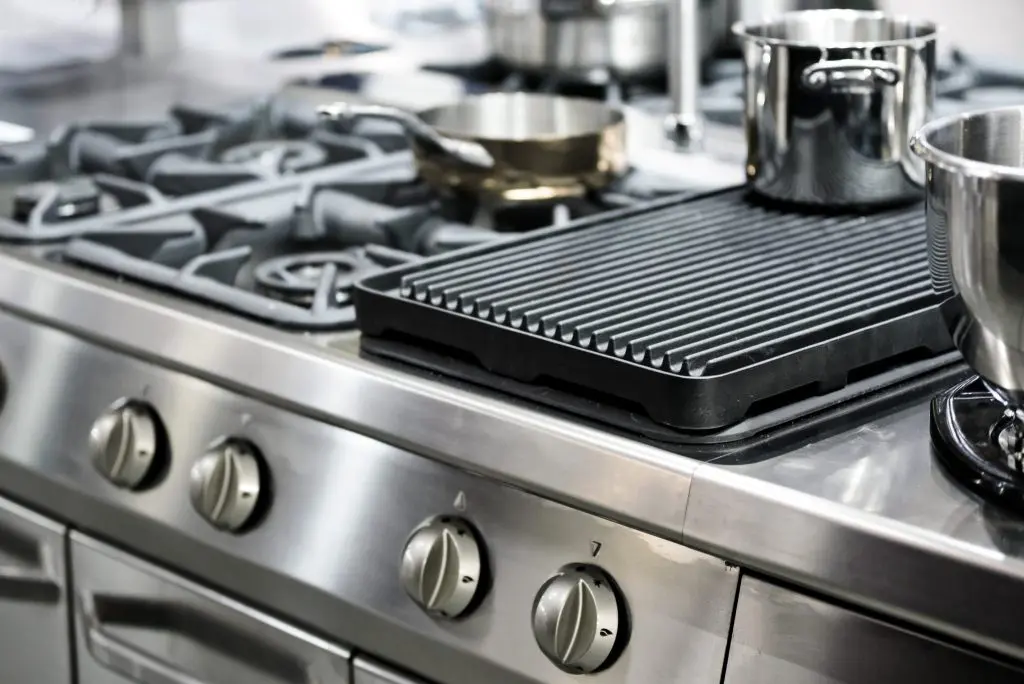
Commercial kitchen cooking equipment protected by fire suppression system
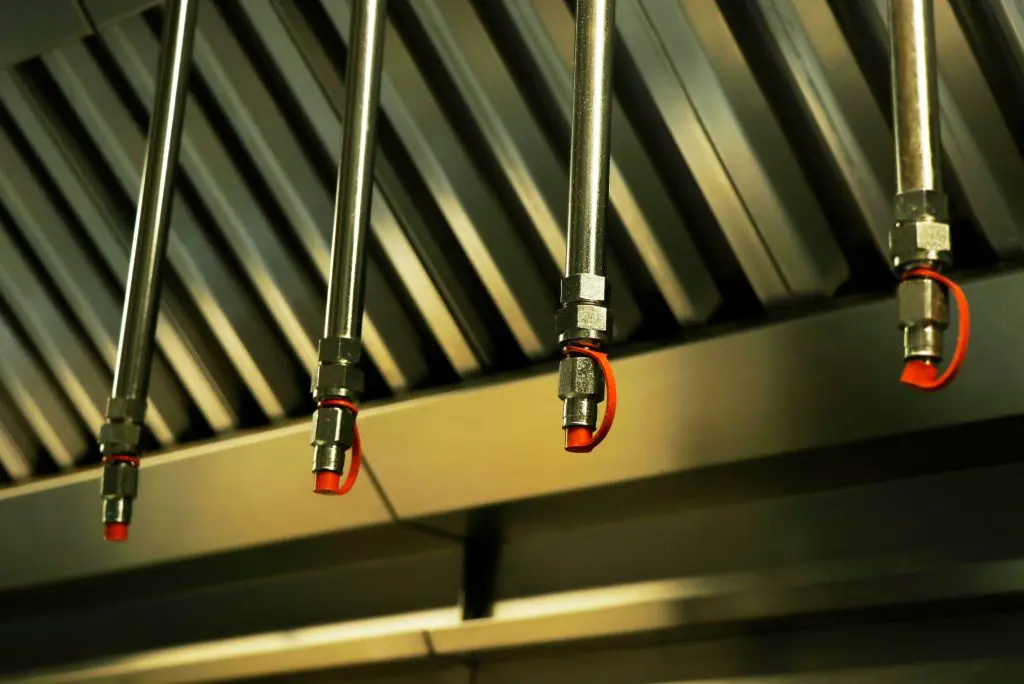
Commercial fire suppression system installed for emergency fire protection

Testing, Inspections, & Re-Certifications

Fire suppression systems must be routinely inspected and maintained to remain effective and compliant. Over time, components can wear out, become obstructed, lose pressure, or fail to operate properly during an emergency.

Advanced Fire Protection provides semi-annual inspections, testing, maintenance, and recertification services to help ensure your suppression systems remain ready for use at all times. Our inspections include complete documentation for your records and help businesses meet required fire code and insurance standards.

We adhere to NFPA 17, NFPA 17A, NFPA 96, NFPA 2001, and Alberta fire safety requirements.

Protect Your Business With the Right Fire Suppression System

A properly installed fire suppression system can mean the difference between a small, contained incident and a devastating fire that shuts down your business. Whether you operate a restaurant, hotel, industrial facility, or other high-risk environment, having the right suppression system in place is critical for protecting people, equipment, inventory, and operations.

Advanced Fire Protection helps businesses throughout Edmonton choose, install, inspect, and maintain fire suppression systems that meet both operational needs and fire code requirements. Whether you need a brand-new installation or ongoing testing and re-certification for an existing system, our experienced team is here to help you stay protected and compliant.

Frequently Asked Questions

The height at which you install a carbon monoxide (CO) detector is important for ensuring accurate detection. Unlike smoke, which rises, carbon monoxide disperses evenly throughout the air due to its similar weight to oxygen. Therefore, CO detectors can be installed at any height, though certain guidelines help optimize placement. Most manufacturers recommend placing the detector at least 5 feet off the ground, but following the manufacturer’s instructions is more important to achieve the best results. If you’re installing the detector near a bedroom, it should be placed high enough on the wall to detect CO as you sleep but within hearing range in case it goes off. Avoid installing detectors near windows, doors, or vents, as drafts can interfere with the detector’s accuracy. When mounting near fuel-burning appliances, position the detector 5–20 feet away to avoid false alarms. For combination smoke and CO detectors, follow the smoke detector guidelines, which suggest installing it near the ceiling, where smoke is more likely to rise. By placing your carbon monoxide detector at the correct height and according to recommendations, you protect your household against CO poisoning.

View More

Fire safety instructions provide essential guidelines to prevent fires and ensure safety during a fire emergency. First, ensure that smoke alarms are installed on every level of the building and are tested regularly to confirm they are operational. Second, create and practice a fire escape plan, making sure all occupants are familiar with at least two ways out of every room. Third, keep fire extinguishers accessible and ensure that everyone knows how to use them properly. Fourth, avoid overloading electrical outlets and ensure that all electrical appliances are in good working condition. Fifth, never leave cooking unattended and keep flammable items away from the stove. Sixth, store flammable materials, such as chemicals and fuels, in a safe location away from heat sources. Lastly, ensure that all emergency exits are clear and easily accessible. Advanced Fire Protection advocates for these essential fire safety instructions to create a safe environment and minimize the risk of fire-related incidents.

View More

Basic home fire safety involves several key practices to prevent fires and ensure the safety of occupants. Install smoke alarms on every level of the home and test them regularly to ensure they are operational. Create and practice a home fire escape plan, ensuring that all family members know at least two ways out of each room and where to meet outside the home. Keep fire extinguishers in accessible locations, such as the kitchen and garage, and ensure everyone knows how to use them. Avoid overloading electrical outlets and replace any damaged cords or appliances. Store flammable materials, such as cleaning supplies and fuels, safely away from heat sources. Never leave cooking unattended, and keep flammable items away from the stove. Practice safe smoking habits by using designated smoking areas and adequately disposing of cigarette butts. Advanced Fire Protection advocates for these basic home fire safety practices to create a safer living environment and reduce the risk of fire-related incidents.

View More

A fire safety plan is a critical document designed to protect lives and property by ensuring individuals and businesses are prepared to respond effectively in the event of a fire. Whether for a commercial building, residential property, or industrial facility, a well-structured fire safety plan helps prevent panic, facilitates a safe evacuation, and ensures compliance with fire safety regulations.

Step 1: Conduct a Fire Risk Assessment

Start by performing a thorough fire risk assessment to identify potential hazards within the building. This includes:

  • Inspecting electrical wiring, heating systems, and appliances for fire risks.
  • Checking for flammable materials and ensuring proper storage.
  • Verifying that fire detection and suppression systems are installed and functional.

Regular fire safety inspections help minimize risks and keep fire prevention systems up to date. If your business requires professional fire safety services, consider our Fire Suppression Services.

Step 2: Install and Maintain Fire Detection & Suppression Systems

Ensuring the proper placement and maintenance of fire alarms, smoke detectors, sprinklers, and fire extinguishers is essential. These systems should be:

  • Installed in key locations such as hallways, kitchens, and storage areas.
  • Tested regularly to confirm proper functionality.
  • Recharged or replaced as needed to meet fire safety codes.

For fire extinguisher inspections, recharging, and installation, visit our Fire Extinguisher Services page.

Step 3: Develop Clear Evacuation Routes

A fire evacuation plan should include:

  • Clearly marked emergency exits that are unobstructed and easy to access.
  • Well-lit pathways with emergency lighting for visibility in low-light conditions.
  • Designated assembly points outside the building where occupants should gather.
  • Alternate escape routes in case primary exits are blocked.

For businesses, installing Emergency Lighting Systems can enhance visibility and ensure a safer evacuation during a fire emergency.

Step 4: Assign Fire Safety Roles & Responsibilities

Assigning roles helps ensure orderly evacuations and quick responses to fires. Designate:

  • Fire wardens responsible for guiding people during evacuations.
  • Accountability officers to track who has safely exited the building.
  • Emergency responders trained to use fire extinguishers and fire suppression systems.

Having a structured plan in place reduces confusion and enhances emergency response in high-risk situations.

Step 5: Conduct Regular Fire Drills & Training

Practicing fire drills at least twice a year ensures that all occupants:

  • Understand the evacuation procedures.
  • Know how to use fire extinguishers and emergency equipment.
  • Can evacuate quickly and efficiently without hesitation.

Fire drills also help identify weaknesses in the fire safety plan, allowing for necessary updates and improvements.

Step 6: Keep Fire Safety Plans Updated

A fire safety plan should be reviewed regularly and updated whenever:

  • Building layouts change (e.g., renovations or new floor plans).
  • New equipment or hazardous materials are introduced.
  • Fire safety regulations are updated by local authorities.

Ensuring your fire safety plan remains current improves preparedness and ensures compliance with fire codes and regulations.

Professional Fire Safety Services for Businesses

For expert assistance in fire alarm system monitoring, emergency lighting, fire suppression, and extinguisher services, visit our Commercial Fire Alarm Services page. Our team specializes in keeping businesses fire-code compliant and prepared for emergencies.

View More

A simple fire safety policy outlines the basic procedures and responsibilities for preventing and responding to fires. It should include guidelines for conducting regular fire risk assessments to identify and mitigate potential hazards. The policy should specify installing and maintaining fire detection and suppression systems, such as smoke alarms and fire extinguishers. It should outline the roles and responsibilities of employees, fire wardens, and fire safety officers, including regular fire drills and training sessions to ensure everyone is familiar with evacuation procedures. The policy should also address the proper storage and handling of flammable materials and ensure that emergency exits are always clear and accessible. Advanced Fire Protection recommends that a simple fire safety policy be communicated clearly to all organization members and regularly reviewed and updated to reflect any changes in fire safety regulations or practices. Organizations can create a safer environment and reduce the risk of fire-related incidents by establishing and adhering to a straightforward fire safety policy.

View More

The four steps of fire safety are prevention, preparation, response, and recovery. Prevention involves identifying and mitigating potential fire hazards, such as ensuring electrical systems are up to code and storing flammable materials safely. Preparation includes developing and practicing an emergency evacuation plan, ensuring that smoke alarms and fire extinguishers are installed and maintained, and training employees or family members on fire safety procedures. Response refers to the actions taken during a fire, such as evacuating the building immediately using the nearest safe exit, calling emergency services, and using fire extinguishers if safe to do so. Recovery involves assessing and repairing the damage after a fire, reviewing fire safety procedures to identify areas for improvement, and providing support to those affected by the fire. Advanced Fire Protection emphasizes that following these four steps can significantly enhance fire safety, ensuring that individuals are prepared to prevent fires, respond effectively during an emergency, and recover efficiently afterward.

View More