
Protect your business by choosing a comprehensive fire alarm system that meets your specific needs. A professional fire protection company can help you select the right system and provide monitoring services to ensure that it is always functioning properly. Having your fire alarm system monitored by a professional company can give you peace of mind knowing that, in case of an emergency, help is on the way.
Advanced Fire Protection offers fire alarm system monitoring services that can detect a fire in its early stages and notify the fire department immediately. This way, you can minimize the damage to your property and avoid any potential injuries. With our fire alarm system monitoring services, you can have peace of mind knowing that your property is protected around the clock. Contact us today to learn more about our fire alarm system monitoring services.
Fire alarm monitoring systems are important because they provide an extra level of security for your property. When a fire alarm goes off, the fire department is notified immediately and can respond quickly to put out the fire. Having a fire alarm monitoring system in place can help minimize the damage done to your property in the event of a fire. Our 24/7 fire monitoring services will ensure that the fire department is notified as soon as a fire alarm goes off. This way, you can rest assured knowing that your property is protected at all times. Reach out to our team to learn more about fire alarm monitoring systems and how they can benefit you.

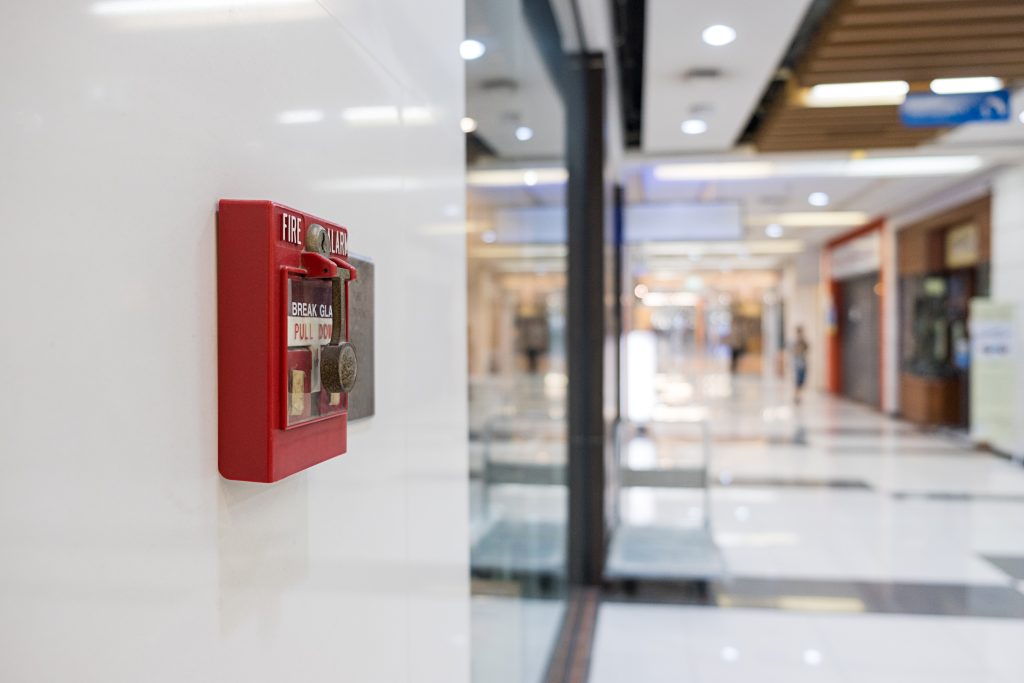
When your fire alarm goes off, you need to know that someone will be there to help. That’s where Advanced Fire Protection comes in. We offer fire alarm system monitoring that can help keep your business safe. Our experts are available 24/7 to help you with any fire protection needs you may have. Emergency services will be notified immediately if your fire alarm is triggered, and we will work with you to ensure that your business is safe. If you have any questions about our fire alarm system monitoring services please don’t hesitate to contact us.
A carbon monoxide (CO) detector works by using sensors to monitor the concentration of carbon monoxide gas in the air. Most CO detectors use electrochemical sensors, which contain chemicals that react with carbon monoxide. When CO is present in the air, it triggers a chemical reaction in the sensor, generating an electrical current. When the current reaches a certain level, indicating a dangerous concentration of CO, the detector sounds an alarm to alert you. Other types of CO detectors may use metal oxide semiconductors or biomimetic sensors, but the principle is the same—detecting harmful CO levels and warning occupants. The detector’s alarm typically goes off if the CO level reaches 70 parts per million (ppm) over several hours or higher levels over shorter periods. Regular testing and maintenance, such as replacing batteries or the entire unit when needed, ensure that your CO detector continues to function properly and protect you from the dangers of carbon monoxide poisoning.
View More
If your carbon monoxide (CO) detector is beeping, it’s crucial to determine the cause before attempting to silence it. CO detectors emit different beep patterns to indicate low battery, end of life, or the presence of carbon monoxide.
Identify the Beeping Pattern
Low Battery Warning – Replace Batteries
Carbon Monoxide Detected – Evacuate Immediately
End-of-Life Warning – Replace the Detector
False Alarm – Use the Reset Button
For more information on fire safety systems and CO alarm maintenance, visit our Fire Alarm System Monitoring Services page.
View More
Having a carbon monoxide (CO) detector in every room is unnecessary, but it’s important to have detectors strategically placed throughout your home for optimal coverage. At a minimum, you should have one CO detector on each level of your home, including the basement, and near or inside every sleeping area to ensure you can hear the alarm while you sleep. If your home has fuel-burning appliances, like a furnace, stove, or water heater, place a detector near these appliances, but not too close—typically 15–20 feet away—to avoid false alarms. It’s also a good idea to install a detector near attached garages, as cars can emit CO gas that may seep into the home. While it’s not required to place a detector in every room, strategically placing CO detectors throughout your home protects you from carbon monoxide poisoning.
View More
Low batteries can cause your carbon monoxide (CO) detector to emit intermittent beeps. This low-battery warning typically consists of one beep every 30 to 60 seconds, which is different from the continuous alarm that sounds when the detector detects dangerous levels of carbon monoxide. If you hear this low-battery signal, replace the batteries immediately to ensure the detector continues functioning correctly. After replacing the batteries, press the “test” button to verify that the detector works. Changing the batteries in your CO detector at least once a year, even if you don’t hear the low-battery warning, is recommended to avoid monitoring disruptions. If you have replaced the batteries and the detector continues to beep, check to ensure the batteries are installed correctly, or consult the user manual to see if there’s another issue, such as the unit nearing the end of its lifespan.
View More
To reset your carbon monoxide (CO) detector, first consult the user manual for your specific model, as different manufacturers may have slightly different reset procedures. In most cases, you can reset the detector by pressing and holding the “reset” or “test” button on the device for a few seconds until the alarm stops. Before resetting, ensure the CO levels in your home are safe by ventilating the area or having emergency services inspect the space if the alarm was triggered. If your detector went off due to a low battery, replace the battery before resetting the unit. For hardwired detectors, you may need to disconnect the power briefly before resetting. After resetting, test the device by pressing the test button to ensure it is functioning properly. Resetting should only be done after verifying that there is no danger, and it helps to clear any temporary false alarms or after replacing batteries. Regularly testing and resetting your CO detector keeps it in proper working order.
View More
When a carbon monoxide (CO) detector detects dangerous levels of carbon monoxide, it emits a loud, continuous alarm. This alarm typically consists of short, repeated beeps—often three or four in succession—designed to be attention-grabbing. The sound is much louder than a low-battery warning or end-of-life signal and is meant to alert you to immediate danger. This alarm will continue until CO levels drop or the detector is manually silenced, ensuring that anyone in the home knows the issue. If you hear this type of alarm, evacuate the house immediately, move to fresh air, and call emergency services. Do not re-enter the home until professionals have inspected the area and determined it is safe. The distinct, loud sound of the CO detector is a critical early-warning system that can save lives by alerting you to the presence of this invisible, odourless gas before it becomes fatal.
View More