
Imagine you’re at work and the power cuts without warning. The hum of the building disappears. Equipment dies down mid-shift. Hallways fall silent. For a second, nobody moves. Then the emergency lighting kicks in. Exit signs glow through the darkness. Stairwells become visible again. In an emergency, those few seconds matter more than most people realize. At Advanced Fire Protection, we install and maintain emergency lighting systems in Edmonton that perform when buildings need them most. From apartment complexes and warehouses to offices, restaurants, schools, hospitals, shopping malls, retail stores, hotels, and industrial facilities, we make sure your lighting systems are ready the moment normal power fails.
We help Edmonton commercial property owners maintain safe, compliant emergency lighting and exit signage systems through inspections, repairs, upgrades, retrofits, and ongoing maintenance services. Emergency lighting systems are required under the Alberta Fire Code for many commercial, industrial, institutional, and multi-residential properties, including offices, warehouses, retail centres, schools, healthcare facilities, restaurants, and apartment buildings. During a power outage or emergency, properly illuminated exit signs and emergency lighting help occupants safely navigate stairwells, hallways, and exit routes while improving visibility in low-light or smoke-filled conditions. Alberta Fire Code requirements include illuminated means of egress, automatic emergency lighting activation during power failures, battery backup systems, regular inspections, and green “Running Man” exit signs for new installations and renovations to support safer evacuations and code compliance.
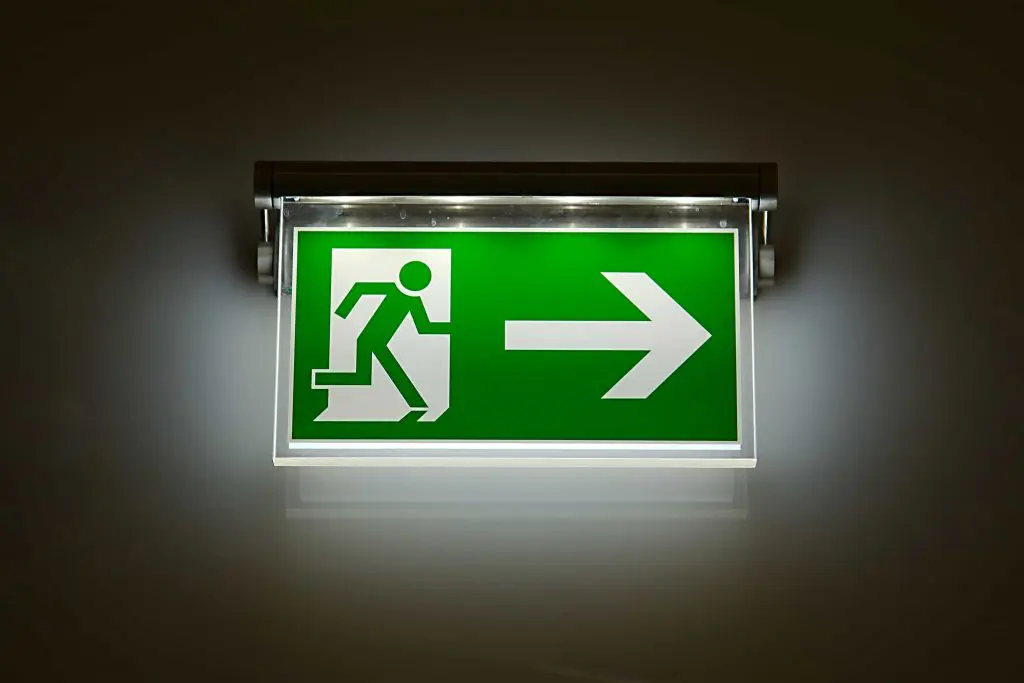
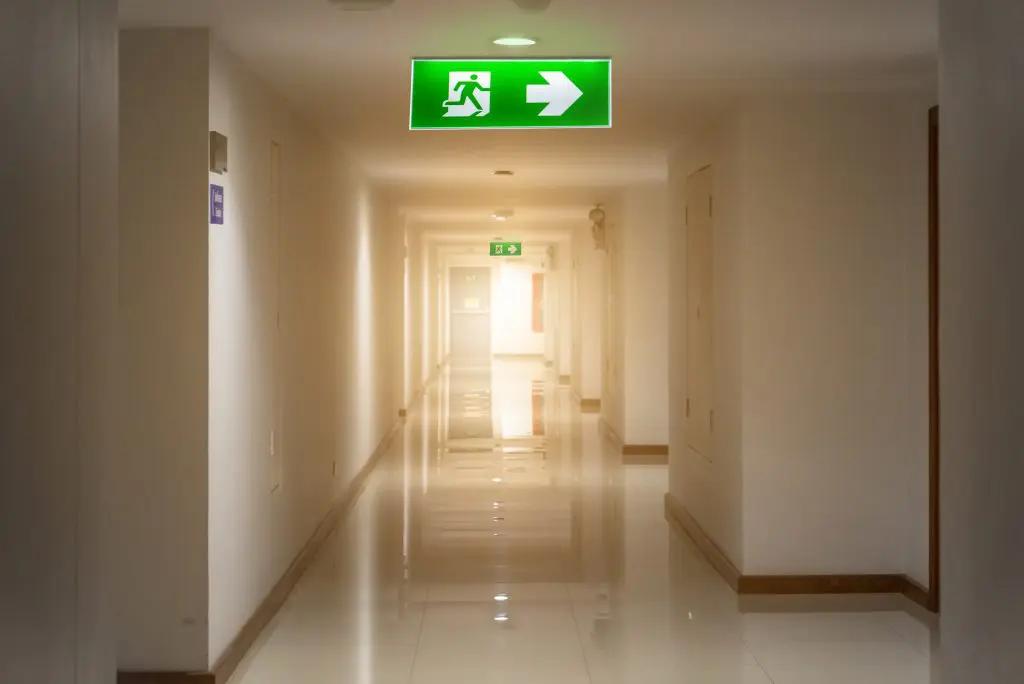
Power outages can pose serious safety risks in commercial, industrial, and multi-residential buildings by reducing visibility and disrupting critical systems, including elevators, lighting, and fire alarms. Properly maintained emergency lighting and exit signage systems help keep occupants safe by automatically activating during a power failure to illuminate stairwells, hallways, corridors, and designated exit routes. Many fire alarm and communication systems are also connected to backup battery or generator power to ensure they remain operational during an emergency, helping occupants receive important alerts and evacuation instructions. Regular inspection, testing, and maintenance of these backup systems are essential to ensure your building remains safe, compliant, and prepared in the event of an outage or emergency.
Whether you are upgrading an outdated emergency lighting system, installing new exit signage, or scheduling required inspections and testing, Advanced Fire Protection is here to help. We work with commercial buildings, industrial facilities, schools, healthcare properties, retail centres, warehouses, and multi-residential buildings throughout Edmonton to keep emergency lighting systems reliable, fully operational, and compliant with the Alberta Fire Code. Our team provides professional inspections, maintenance, repairs, retrofits, and complete emergency lighting installations tailored to your building’s layout and safety requirements. Contact Advanced Fire Protection today to schedule a consultation and learn how we can help improve the safety, visibility, and compliance of your property.
View More
Proper display of fire safety signs and markings is crucial for guiding occupants to safety during emergencies and for conveying essential information about fire protection systems and procedures. To enhance both visibility and functionality, it’s important to follow fire code guidelines for the design, placement, and maintenance of these signs.
Fire safety signs and markings must be clear and highly visible to ensure quick and safe evacuation. These signs should be unobstructed at all times, enabling individuals to quickly locate exits, fire extinguishers, and other critical safety equipment during an emergency.
Adhering to specific standards regarding the size, color, and illumination of fire safety signs is essential. These standards ensure consistency and legibility, making it easier for occupants to recognize and respond to the signs during an emergency. For instance, exit signs must be prominently displayed and properly illuminated, ensuring they can be seen in low-light conditions or during power outages.
The effectiveness of fire safety signs largely depends on their placement. Signs should be strategically located at key points such as exits, fire extinguisher locations, and along evacuation routes. Regular maintenance and inspections are necessary to keep these signs in optimal condition and ensure they comply with current safety standards. This includes checking for damage, fading, and ensuring that illumination systems are functioning properly.
Beyond basic fire safety signs, buildings should also incorporate additional markings like directional arrows and floor identification signs. These are particularly useful in larger or more complex structures, helping to guide occupants through the building during an emergency. Properly maintained and illuminated markings reduce confusion and ensure that occupants can quickly and confidently navigate to safety.
By following these guidelines, you can significantly enhance the safety and preparedness of your building. At Advanced Fire Protection Services, we offer expert consultation and services to help you design, install, and maintain fire safety signs and markings that meet regulatory requirements and ensure the safety of all building occupants.
View More
View More
View More
View More
View More